Priscila TorresFull Stack Software Engineer

Full Stack Software Engineer

Priscila Torres

I build and maintain software that runs in production — React and TypeScript on the front, Node.js on Google Cloud on the back. I measure before optimizing, treat accessibility as a requirement, and write code that still makes sense six months later.

  • Jaraguá do Sul · SC · Brasil
  • ela/dela · she/her
  • Currently: fullstack on a B2B SaaS in healthcare

3 years and 10 months of experience

Photo of Priscila Torres

About

Code that keeps standing after it ships

I'm a fullstack developer with B2B SaaS experience — a product in production, an engineering team, code that has to keep standing after it ships. At work I live in TypeScript, React and Next.js on the front and Node.js with Express on Google Cloud on the back.

Outside work I build in Python, Kotlin, Java and even Godot — usually because I want to see how a problem is solved in another language, not just another library. I like code that's still readable in six months, accessibility that isn't decoration, and measuring instead of guessing.

  • 3 years and 10 months

    in production, on the same product

  • SaaS B2B

    healthcare product, with an engineering team

  • Micro-frontends

    federated micro-frontends over a legacy monolith

  • Google Cloud

    Datastore, Cloud Run and Pub/Sub day to day

Track record

Experience and education

Experience

  1. 09/2022 → present

    Full Stack Developer

    B2B SaaS · healthcare · Product in production · engineering team · Brazil

    • Architected the integration with radiology center APIs: exams now land automatically on the patient record, with no manual upload.
    • Built the Google Business integration for automated review requests and consolidation of the reviews received.
    • Developed REST APIs in Node.js and Express following scalability patterns, on Google Cloud (Datastore, Cloud Run and Pub/Sub).
    • Worked on the front in React and TypeScript: responsive interfaces and federated micro-frontends living alongside an evolving legacy monolith.
    • Treated performance as investigation, not guesswork: measured with HAR files and DevTools traces to find the real bottleneck — duplicate requests, excessive CORS preflight, long tasks — before optimizing anything.
    • Clean Code, SOLID and Design Patterns day to day, with code review, Git Flow and pull requests.
    • Fixed critical bugs and kept a high-availability production system running.

    Day-to-day stack

    ReactTypeScriptNext.jsNode.jsExpressGoogle CloudDatastoreCloud RunPub/SubMicro-frontendsJestDocker

Education

  1. 2024 → 2028

    Software Engineering

    Bachelor's · in progress

    • Degree in progress, focused on software architecture, data structures and quality engineering.
  2. 2020 → 2022

    Systems Analysis and Development

    Technical degree · completed · 1200 hours

    • A 1200-hour curriculum covering JavaScript, MySQL and SQL table modeling, requirements gathering, networks and hardware, HTTP API integration, Java applications and programming logic in C++.

Languages

  • Portuguesenative
  • Englishintermediate

Stack

What I build with

Click a technology to highlight the projects that use it.

Front-end

Tailwind CSSHTML / CSSWCAGMicro-frontends

Back-end

Cloud and infrastructure

Google CloudDatastoreCloud RunPub/SubCI/CDGit / Git Flow

Data

MySQLSQL

Quality and process

Clean CodeSOLIDDesign PatternsTDDJestCode review

Also build with

C

Case studies

Three projects from the inside

Problem, technical decision and outcome — not just a list of technologies.

arquitetinho

Interior design AI running entirely on your own machine

building
Problem
Laying out furniture takes ergonomics and circulation into account — and the tools that do it require the cloud, a subscription, and technical knowledge from someone who just wants to furnish a bedroom.
Approach
The system takes a floor plan (or you draw one from scratch), infers the real dimensions in meters, and generates a layout that respects ergonomics and circulation, in 2D and 3D.
Technical decision
Local-first: diffusion rendering runs on the machine itself, on Apple Silicon, with no cloud. Zero inference cost, and the user's floor plan never leaves their computer. FastAPI and SQLite at the core, React with Vite in the editor.
Outcome
Building. The guiding principle is layperson-first: auto-fill whatever it can and degrade gracefully when the data isn't there.

PythonFastAPIReactViteSQLiteFLUX / mflux

client-financial

A portal that retired the hand-assembled quarterly report

V1 shipped
Problem
Quarterly client reports were assembled by hand every cycle — repetitive work, prone to typos, and hard to audit.
Approach
A single form, live calculation as you type, and generated cash-flow and net-worth PDFs ready to send to the client.
Technical decision
Scope time-boxed to V1 from a PRD, to ship something in use instead of an endless roadmap. Calculation on the client for immediate feedback, with no round-trip per field.
Outcome
V1 shipped. The repository is private because it handles client financial data.
TypeScriptReactVite

Estudas

Free material for people starting out in programming

live
Problem
People starting to program find beginner material scattered, outdated, or behind a paywall.
Approach
A Next.js application with TypeScript, authentication, its own REST API and MongoDB, published on Firebase Hosting.
Technical decision
The first project where I built authentication and a REST API in TypeScript end to end — and the first where I felt the cost of having no types on the contract between front and back.
Outcome
Live and open source. It became my foundation for Next.js and API modeling.

Projects

What I've built

arquitetinho

2026

private repository

Local-first interior design AI: reads a floor plan, understands its dimensions in meters and generates the furniture layout in 2D and 3D, with diffusion rendering running on the machine itself.

PythonFastAPIReactViteSQLiteFLUX / mflux

client-financial

2026

private repository

A portal replacing hand-assembled quarterly reports: form, live calculation and cash-flow and net-worth PDFs ready for the client.

TypeScriptReactVite
Estudas

Estudas

2024

open source

A free study-material platform for programming students, with authentication, its own REST API and MongoDB. My most complete project from university.

Next.jsTypeScriptMongoDBNode.jsStyled ComponentsFirebase
Space Warrior

Space Warrior

2023

open source

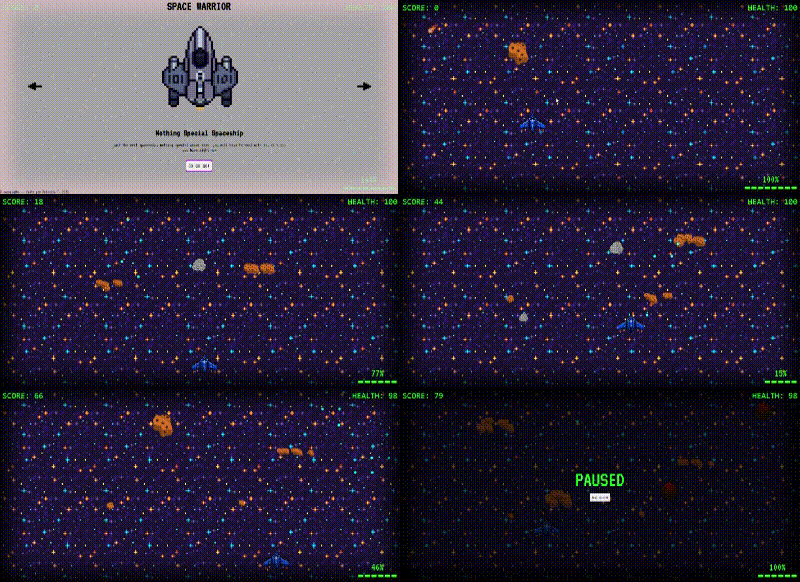
An asteroids game built with React and Canvas. It was a logic challenge and the exercise where useContext with useReducer finally clicked.

JavaScriptReactCanvas API

Vivid-Habit

2026

private repository

Native Android app in Kotlin for tracking habits, goals and personal projects — the mobile muscle I wanted to build outside my day-to-day web work.

KotlinAndroid

Spring Boot + Next.js

2025

open source

A fullstack application spanning two ecosystems: a Java backend with Spring Boot, a Next.js and TypeScript frontend, and Firestore as the database — including security rules, indexes and backend tests.

JavaSpring BootNext.jsTypeScriptFirebaseAPIs REST
Ramen Commerce

Ramen Commerce

2023

open source

An online ramen store in plain HTML, CSS and JS with a CRUD in Express and Mongoose. My first end-to-end personal project.

JavaScriptNode.jsExpressMongoDB

Xadrez

2023

open source

Chess with the movement rules implemented from scratch, to practice state architecture with useContext and useReducer.

JavaScriptReact

Catálogo de carros

2025

open source

A car catalog in Java with Spring Boot, to exercise REST APIs and layering outside the Node ecosystem.

JavaSpring BootAPIs REST

comment-post-app

2025

open source

A microservices study: posts, comments, moderation, query and event bus as independent services talking through events.

JavaScriptNode.jsExpressDocker

Bug Killer

2025

open source

A small game made in Godot during a group game jam — proof that software can also be an inside joke.

Godot

Certificates

Courses and certifications

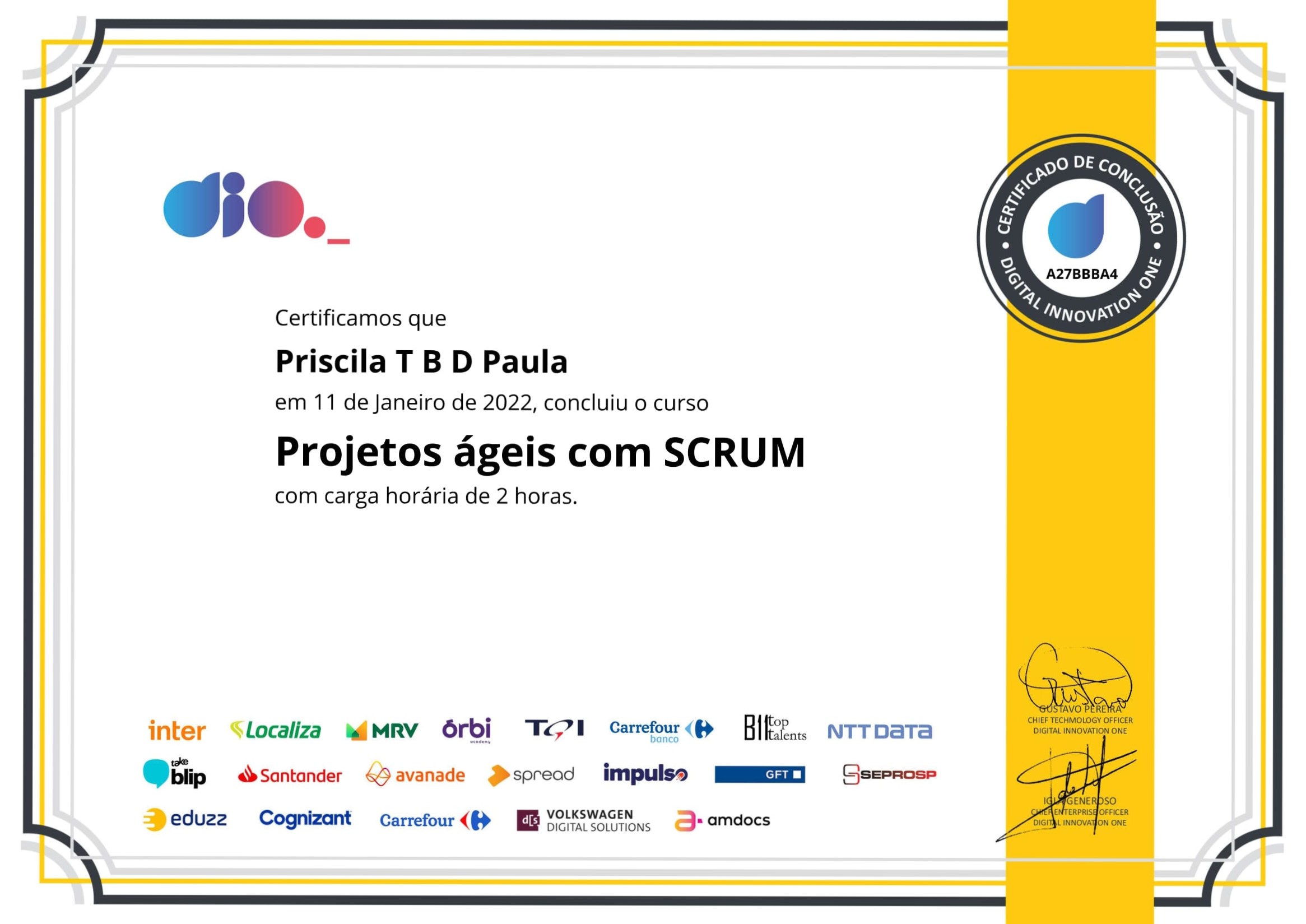
Early-career certificates, kept here for a transparent track record.

Contact

Let's talk

The fastest way to reach me is a message. I'm happy to talk about the technical decisions behind a project, architecture, and the performance before and after on what I've shipped.

Things I like talking about

  • React performance and architecture — measure, find the real bottleneck, fix the structure before reaching for memoization.
  • Micro-frontends and monoliths that have to keep standing while they evolve.
  • Real accessibility: keyboard, focus and screen readers.